
"Indonesian arabica"
2000 article(s) found

Indonesian coffee producing area Indonesian Arabica coffee beans cultivation characteristics and historical development story
Indonesian coffee, grown in ash, pepper and spices, is revered for its distinctive, unmistakable flavor, velvety texture and earthy hues. Secret? Position, position, position. Located between the Pacific Ocean and the Indian Ocean, the Republic of Indonesia consists of more than 16,000 mountainous volcanic islands, including Arabica, Java, Sumatra and Sura.

What is the authentic Indonesian Kopi Luwak Indonesian coffee flavor Arabica boutique beans
The mellow thickness of Asian coffee is higher than that of Central and South American and African beans, but its sour taste is lower, with slightly sunken wood, herb, spice and earthy flavor, and its low and stuffy aroma is higher than that of rising sour flavor. At the end of the 17th century, the Dutch East India Company transplanted Indian Arabica trees (Tibica) to Jakarta, Java. Due to the suitable climate and soil, Arabica quickly spread to Sumanda, Java.
Coffee producing country-Indonesian coffee Indonesian coffee flavor
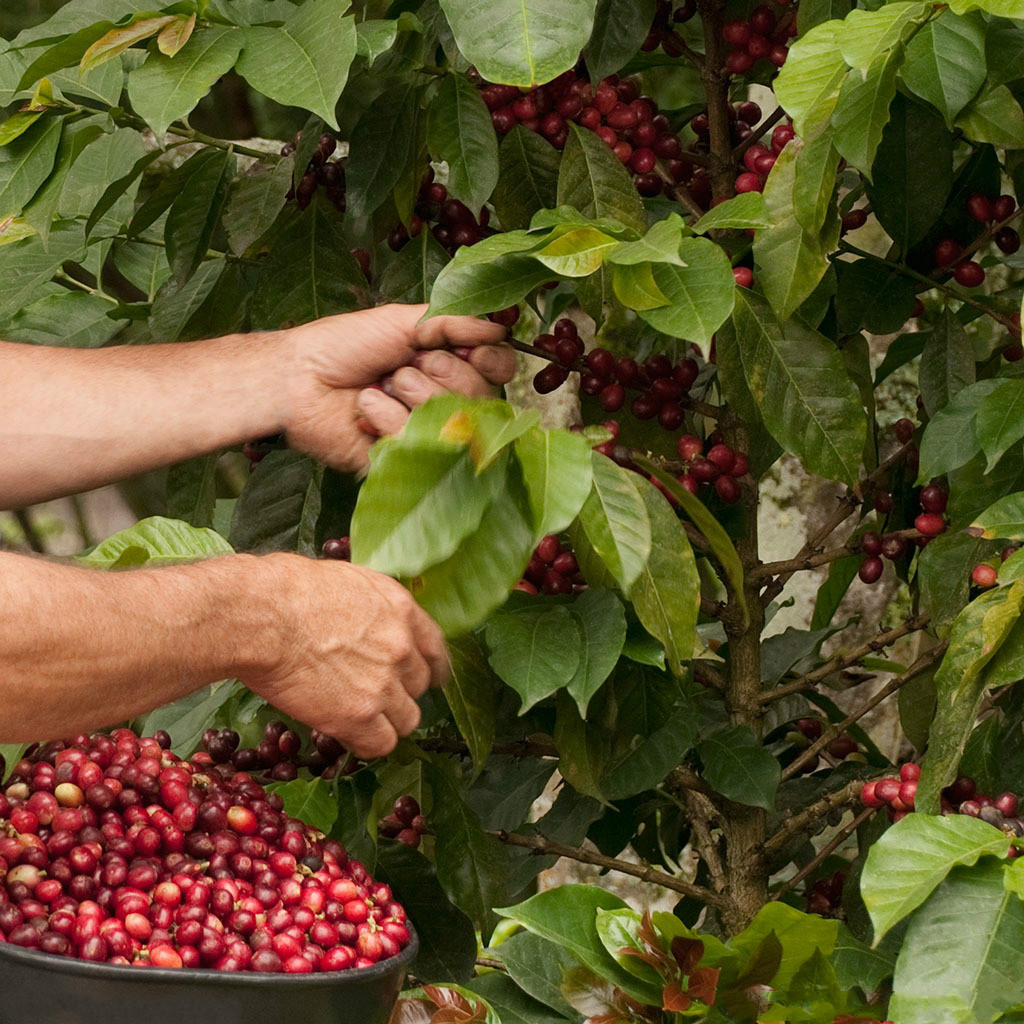
Brief introduction of coffee producing countries: Indonesian coffee is grown in the Dutch colonial era, coffee cultivation is mainly in large estates, after World War II, experienced the process of nationalization and independence movement, now about 90% of the coffee produced in Indonesia is produced by small farmers. Originally, Indonesian coffee was Arabica, and the leaf rust disaster at the end of the 18th century destroyed Arabica manor.

Indonesian Coffee Arabica Coffee Flavor introduces the characteristics of Indonesian Coffee
Arabica coffee trees grow between 900m and 2000 m above sea level; they are hardy, and the suitable growth temperature is 1524 ℃; they need more humidity, and the annual rainfall is not less than 1500 ml. At the same time, they also require higher cultivation techniques and conditions. Arabica coffee beans are mainly grown in South America (except Argentina and parts of Brazil), Central American countries and Africa.

Indonesian Coffee Flavor region introduces Arabica Coffee Manor
The main coffee producing area Java, the oldest producing area, continues its reputation from the glorious era of Indonesian coffee in the 18th century. When it comes to Java coffee, it is still reminiscent of quality and delicacy. At that time, the most famous blend was Java coffee with Yemeni mocha. In addition, Java also has a very famous old coffee Aged coffee, or monsoon coffee Monsooned c

Indonesian Coffee House Arabica Coffee House
Coffee processing Java coffee is traditionally washed. Sumatra and Sulawesi are known for their Indonesian wet-hulled method, known locally as Giling Basah. The drying methods in coffee processing vary according to the situation: high-priced bed drying under canopy, terrace drying, roadside drying and other methods are used. Coffee flavor varies from region to region.

Indonesian Coffee Flavor introduces Arabica Coffee Manor in Indonesian coffee producing area
The washed coffee fruit was the first to introduce Ruwak coffee to Montanus (M.P. Mountanos) in the United States, pointing out that at first, when I heard about this kind of coffee fermented in the body, I thought it was a joke in the industry, but I didn't take it seriously. Later, when I saw a special report on Ruwak coffee in National Geographic magazine, I became interested in her. It took seven years to find a stable source of supply.
Java coffee Sri Lankan coffee Indonesian coffee Arabica coffee
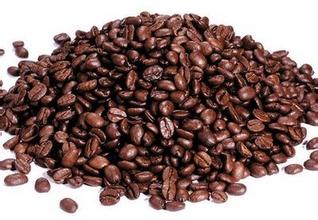
Java coffee is produced on the Indonesian island of Java and belongs to Arabica coffee. After baking, the bitter taste is extremely strong and the aroma is very light, without sour taste. The bitterness and mellowness of Java coffee, coupled with the sweetness of chocolate syrup, make Java coffee more mellow and palatable and very popular with women! Among the Asian coffee-producing countries, Indonesia is a very noteworthy one. Indonesia is an island country in the Indian Ocean.

Introduction of Indonesian Coffee Flavor characteristics of manors in Indonesian coffee producing areas Kahayang Gan Manor
The prosperity of coffee in Indonesia was not sustainable, coffee production was fatally hit at the end of the 18th century, and leaf rust, originally found in West Java, spread rapidly, destroying the Arabica coffee estate in Indonesia. The leading position of the coffee trade was replaced by the American producing countries. However, it is worth mentioning that the leaf rust disaster did not affect the eastern Indonesian producing areas, namely, Flores Island and Timor, today.

Introduction to Arabica Coffee House with unique flavor and taste characteristics of Indonesian coffee farm
In the early 1970s, Java cut down Arabica trees introduced by most Dutch and planted Robbosa beans instead. Since then, Java coffee has become greasy, plain and has a strong smell of wheat and tea. Among the few remaining Arabica estates, Djampit is the most famous. These beans are similar to other Indonesian beans, but with obvious sour taste and texture.

Indonesian Coffee Flavor introduced in Cahayang Gan Manor
Coffee cultivation in the Dutch colonial era, coffee cultivation was mainly in large estates. After World War II, it experienced the process of nationalization and the movement of independence. Today, about 90% of the coffee produced in Indonesia is produced by small farmers. At first, Indonesian coffee was Arabica, and Arabica manor was destroyed by leaf rust disaster at the end of the 18th century. At first, the Dutch tried to plant Liberian species.

How about Indonesian coffee? What is the quality of Indonesian coffee? What is the real seal?
The mellow thickness of Asian coffee is higher than that of Central and South American and African beans, but its sour taste is lower, with slightly sunken wood, herb, spice and earthy flavor, and its low and stuffy aroma is higher than that of rising sour flavor. At the end of the 17th century, the Dutch East India Company transplanted Indian Arabica trees (Tibica) to Jakarta, Java. Due to the favorable climate and soil, Arabica quickly spread to Sumatra in Java.

Indonesian Civet Coffee Estate Introduction Indonesian Coffee Flavor Arabica Coffee Estate
Cat poop coffee, also known as civet coffee. The official name of cat poop coffee is Kopi Luwak. Kopi means coffee in Indonesian and Luwak is a wild Indonesian civet. This coffee is called cat poop coffee because it is made from coffee beans picked from civet droppings. Cat poop coffee, Indonesia. Indonesia grows a lot of coffee.

Indonesian coffee plantation flavor taste characteristics Indonesian cat feces coffee introduction Kahayangan manor
In the early 1970s Java cut down most of the Arabica trees introduced by the Dutch in favour of Robusta beans, and since then Java coffee has become greasy, bland and has a strong wheat-tea smell. Of the few remaining Arabica estates, Djampit is the most famous. These beans are similar to other Indonesian beans, but they are more sour and textured.

What is the taste and taste of java coffee beans in Java, Indonesia? Indonesian Arabica Variety Java
Professional coffee knowledge exchange more coffee bean information please follow the coffee workshop (Wechat official account cafe_style) Indonesia Java java coffee beans how the flavor and taste? How to cook Java coffee beans of Arabica variety in Indonesia? Java coffee from the Indonesian island of Java, originally belonging to Arabica coffee. Diseases and insect pests make Java rich in high-quality Arabica coffee

Indonesian Coffee beans Indonesian Coffee Origin Indonesian Coffee Culture
There are several kinds of Indonesian coffee beans, Balinese coffee, Indonesian coffee, there are many kinds of coffee, and the taste of coffee produced by each manor is different, and the flavor of coffee is also different. there are many sources of coffee in the world: Brazil is of good quality and is considered indispensable when mixed. NO.1,NO.2,Screen18~19 is the most popular quality type.

Flavor and taste of Indonesian Coffee Manor Coffee beans in Wahana Manor, Indonesia
The prosperity of coffee in Indonesia was not sustainable, coffee production was fatally hit at the end of the 18th century, and leaf rust, originally found in West Java, spread rapidly, destroying the Arabica coffee estate in Indonesia. The leading position of the coffee trade was replaced by the American producing countries. However, it is worth mentioning that the leaf rust disaster did not affect the eastern Indonesian producing areas, namely, Flores Island and Timor, today.
Indonesian Coffee Bean Price Bali Kopi Luwak Indonesian Coffee brief introduction
Indonesia, the country of Thousand Islands, has the largest number of islands in the world. When it comes to Indonesia, the most familiar is probably the resort island of Bali. A brief History of Coffee in 1696, the Governor of the Netherlands in Malabar, India, gave a batch of coffee seedlings to the Governor of the Netherlands in batavia in Batavia (present-day Jarkata in Jakarta). This was the first time that coffee was grown in Indonesia. No.

The flavor and taste characteristics of Indonesian coffee manor introduce Fuyin Manor Indonesian coffee brand
In the early 1970s, Java cut down Arabica trees introduced by most Dutch and planted Robbosa beans instead. Since then, Java coffee has become greasy, plain and has a strong smell of wheat and tea. Among the few remaining Arabica estates, Djampit is the most famous. These beans are similar to other Indonesian beans, but with obvious sour taste and texture.

Indonesian cat shit coffee introduction Indonesian coffee estate production characteristics Flavor taste Fu Yin estate
Indonesian coffee generally does not crown Indonesia's name, but directly crowned with island names, such as Java, Sumatra and so on. Java Coffee-Culture Java Coffee Bean The early Java coffee is famous, here referring to Arabica coffee formerly grown on Java Island. It has a rich aroma, low acidity, smooth taste, and is paired with mocha coffee to create Java mocha.